

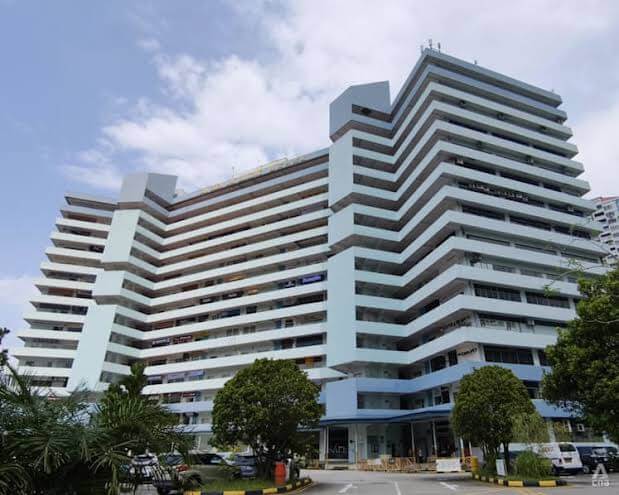
On 21 July 2026, one of Singapore’s most recognisable furniture landmarks quietly changed hands for one of the biggest numbers of the year. Tan Boon Liat Building, the 15-storey warehouse-and-showroom complex that has anchored the junction of Outram Road and Zion Road since 1976, was sold en bloc to a unit of Kingsford Group for $950 million — the largest collective sale in Singapore so far this year.
The deal caps off nearly a year and a half of false starts, a failed first tender, and a reserve price cut. For homebuyers and investors, the headline number is eye-catching.
But the real story is what it signals about where redevelopment money is flowing, how far freehold city-fringe land has run up in value, and what’s likely to rise on one of the last untouched plots between the CBD and River Valley.
The buyer is Kingsford Havelock Pte Ltd, a unit of Kingsford Group.
The site sits at 315 Outram Road, on freehold land totalling roughly 175,655 square feet — a rare quantum for a freehold parcel this close to the city centre.
It’s about a nine-minute walk from Havelock MRT Station on the Thomson-East Coast Line, and within easy reach of Robertson Quay, Great World, and the Zion Road / River Valley precinct.
For decades, the building has been a go-to destination for over 30 furniture and home decor wholesalers, the kind of unglamorous but beloved shopping trip many Singaporean homeowners have made at least once.
It’s currently zoned Business 1 (industrial), which is precisely why the sale is significant — the value isn’t in what the building is today, but in what it’s approved to become.
The transaction still needs to clear an owners’ Extraordinary General Meeting and approval from the Strata Titles Board before it’s finalised, which is standard procedure for collective sales of this size.
The Tan Boon Liat collective sale committee first tested the market in February 2025, launching a public tender at an ambitious $1.15 billion asking price.
When the tender closed on 18 March 2025, it received zero bids.
At the time, the implied land rate worked out to roughly $1,888 psf per plot ratio once rezoning charges and bonus GFA premiums were factored in — a number developers evidently judged too rich given where financing costs and new-launch pricing sat in early 2025.
Rather than let the site languish, the owners regrouped, secured fresh consensus of more than 80% by strata share value, and relaunched the tender in February 2026 at a reduced reserve of $1 billion.
That tender closed on 12 May 2026. Kingsford’s $950 million bid came in about 5% below the $1 billion reserve, but it was enough to win the site.
It represents an implied land rate of roughly $1,757 psf ppr, noticeably softer than the 2025 benchmark.
In plain terms: the owners had to come down in price twice before the deal cleared — a pattern worth watching if you’re part of, or advising, any other en bloc committee sitting on an optimistic reserve.
Most new land supply in Singapore comes through Government Land Sales (GLS), and virtually all of it is 99-year leasehold.
Freehold sites of this scale — nearly 176,000 sq ft — almost never come to market in the city fringe, which is exactly why developers were willing to fight for this one even after the first tender flopped. Scarcity, not the building itself, is the asset.
URA has signalled it will support rezoning the site from industrial to “Residential with Commercial on the 1st Storey,” lifting the Gross Plot Ratio from 3.1 to 4.9 — roughly a 50% uplift in allowable gross floor area.
That single change is what turns a warehouse into a development site capable of supporting twin residential towers of up to 48 storeys, alongside about 16,140 sq ft of ground-floor commercial space.
Without that rezoning path, the $950 million price tag simply doesn’t make sense. With it, the site could eventually deliver one of the tallest and largest new residential addresses in the Outram / River Valley area.
Here’s a simple back-of-envelope way to estimate it. Start with the land area: 175,655 sq ft, or about 16,319 sq m.
Multiply that by the rezoned plot ratio of 4.9 to get the maximum permissible gross floor area: roughly 79,960 sq m.
Divide that by 85 sq m — a commonly used estimate for the minimum average unit size a development can work with — and you get about 940 units.
Rounding down and up for a sensible range, this site could realistically yield somewhere between 940 and 950 new homes, spread across the twin 48-storey towers.
That’s an estimate only — actual unit count will depend on the final unit mix the developer decides to build, and on how much GFA is set aside for the commercial component.
Kingsford Group has been active in Singapore since 2011 and has quietly become one of the more prolific large-format developers in the city-fringe and North-East segments.
Its completed projects include Normanton Park (1,862 units, its largest to date), Kingsford Waterbay (1,165 units), and Kingsford Hillview Peak (512 units).
Its current pipeline includes Lentor Gardens Residences, One Marina Gardens, The Hill @ One-North, and the redevelopment of Chuan Park.
The pattern across almost all of these: high unit counts, competitive per-square-foot pricing relative to boutique freehold rivals, and fast, efficient execution.
If that formula carries over to Tan Boon Liat, expect a development pitched at volume and accessibility rather than ultra-luxury positioning — good news for the breadth of buyers who might eventually consider it.
Tan Boon Liat isn’t redeveloping in isolation. It sits inside a stretch of District 9 / District 3 that’s already seeing serious redevelopment money — here’s who’s close enough to feel the ripple effects. (Link the project names below to their own pages for internal linking.)
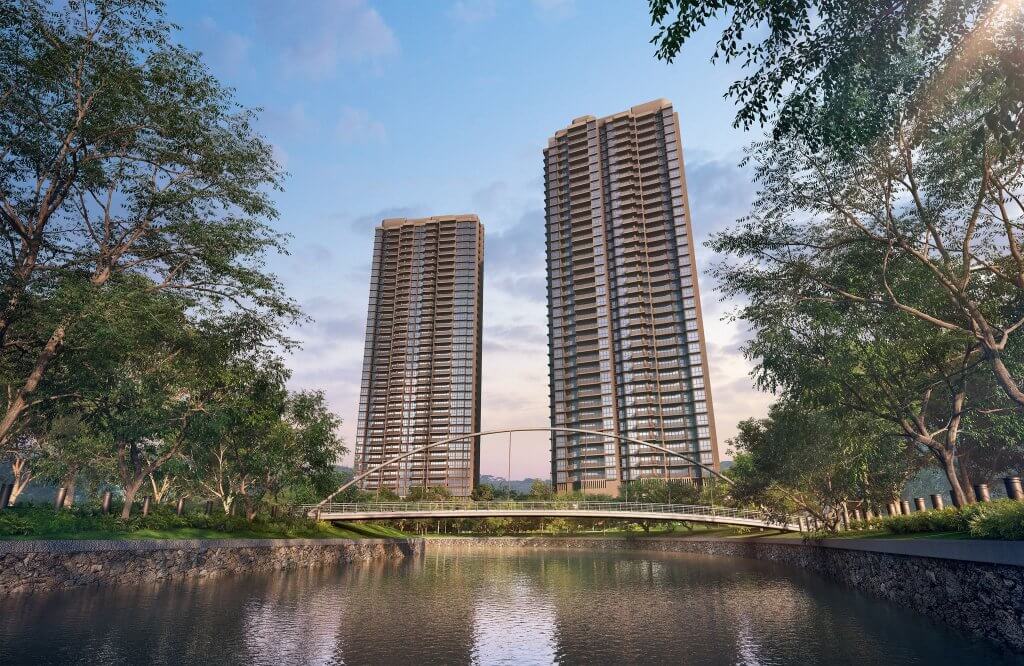
Both sit on the twin Zion Road GLS parcels, roughly one Thomson-East Coast Line stop away via Great World MRT.
The Robertson Opus is a 348-unit, 999-year leasehold riverfront project by Frasers Property and Sekisui House that began sales bookings in March 2026.
River Modern is GuocoLand’s 455-unit, 99-year leasehold follow-up to Martin Modern, also perched right on the Singapore River.
A fresh $950 million freehold launch two MRT stops away only raises the credibility of the whole Zion Road / River Valley micro-market — good news for anyone who already bought into either project at launch.
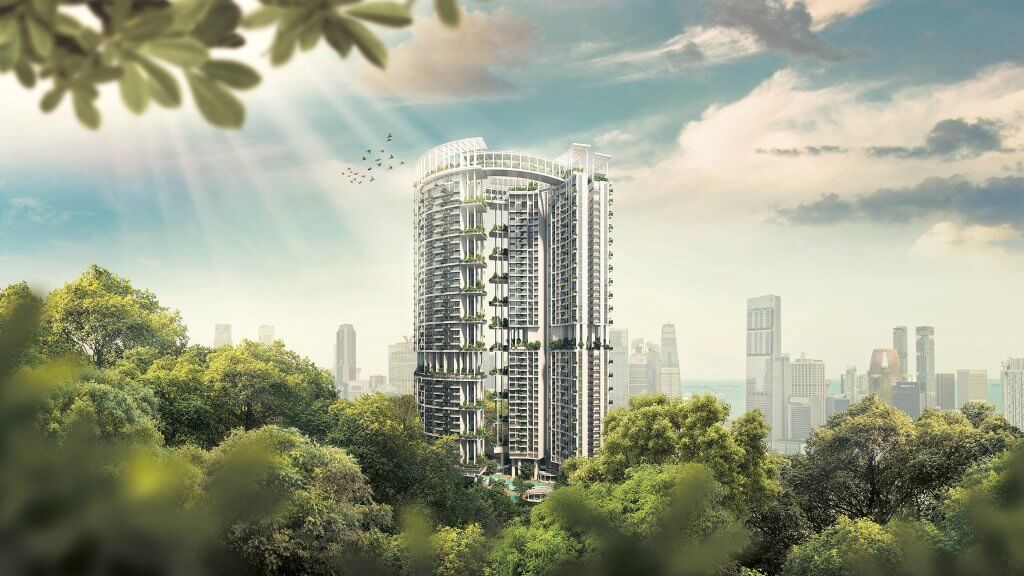
A few minutes down the road, right by Outram Park MRT interchange, sits One Pearl Bank — CapitaLand’s 774-unit, 99-year leasehold twin-tower redevelopment of the old Pearl Bank Apartments, completed in 2024.
It’s the closest real-world template for what Tan Boon Liat could eventually become, and it also gives us a useful land-price comparison.
CapitaLand paid $728 million for the former Pearl Bank Apartments back in February 2018, working out to around $1,515 psf ppr after including the lease top-up premium.
Tan Boon Liat’s $950 million deal works out to roughly $1,757 psf ppr — about 16% higher, despite the extra cost of full-on rezoning from industrial use.
That gap gives a rough sense of how much land values along this stretch of Outram have climbed over the past eight years. One Pearl Bank itself launched in July 2019 and eventually sold out at an average of $2,753 psf — a helpful benchmark for what launch pricing at Tan Boon Liat’s eventual project might look like.
At the other end of Outram Road sits Spottiswoode Residences, a freehold, 351-unit project completed in 2014, a short walk from Outram Park interchange (East-West, North-East, and Thomson-East Coast lines).
Owners here have long argued Outram is underrated next to River Valley and Tanjong Pagar. A landmark twin-tower project at the other end of the same road strengthens that case.
HDB flats along Kim Tian Road and Zion Road, and the Great World mall precinct itself, all sit within the same walking catchment as the future development.
More residential density nearby typically means more footfall for Great World’s retail and F&B — a quiet win for anyone renting or buying in the surrounding HDB blocks too.
Outram has been the quiet, slightly overlooked cousin of River Valley and Tanjong Pagar for years — respected for its connectivity, but rarely marketed as a lifestyle address in its own right.
A $950 million freehold bet from a developer like Kingsford tells me that’s about to change. Once construction actually starts, I’d expect resale sentiment at Spottiswoode Residences and in the surrounding HDB blocks to firm up well before the new towers even top out.
If I were advising a client with a five-year-plus horizon, I’d be looking at this stretch of Outram Road now — not after the showflat opens.
Don’t expect a showflat any time soon — rezoning approval, demolition, and construction realistically put a launch three to four years out.
But this is exactly the kind of site worth bookmarking now: freehold, city-fringe, walking distance to an MRT interchange line, and backed by a developer with a track record of competitive entry pricing.
For buyers who prioritise long-term capital appreciation and a broad future resale pool over an immediate move-in date, this corridor just got a lot more interesting.
The bigger lesson for owners sitting on ageing freehold developments elsewhere in Singapore: reserve prices need to track reality, not hope.
Tan Boon Liat’s committee had to cut its ask by roughly 17% between the first and second tenders before a developer would bite.
If you’re on an en bloc committee — or advising clients who are — this deal is a useful, very current case study for calibrating expectations before going to market.
Tan Boon Liat now overtakes Loyang Valley’s $880 million en bloc sale (April 2026) as the largest collective sale of the year.
Combined with sites like Serenity Park (launched with a $505 million asking price) still in the market, it’s a signal that Singapore’s en bloc cycle is picking up pace again in 2026.
Developers are actively hunting for freehold and city-fringe land to supplement a GLS pipeline that, while generous, is entirely leasehold.
For content and conversation purposes, this is a trend worth flagging to clients now: it may bring more freehold supply to market over the next 12–18 months, but it also means competition for well-located sites — and their eventual launch prices — is heating up.
It sits at 315 Outram Road, at the junction of Outram Road and Zion Road, about a nine-minute walk from Havelock MRT Station on the Thomson-East Coast Line.
Kingsford Havelock Pte Ltd, a unit of Kingsford Group, the developer behind Normanton Park, Kingsford Waterbay, and the upcoming Lentor Gardens Residences.
$950 million, following a tender that closed on 12 May 2026 — about 5% below the $1 billion reserve price and roughly 17% below the original $1.15 billion asking price from 2025.
Subject to rezoning approval, the site could support twin residential towers of up to 48 storeys with ground-floor commercial space, following a Gross Plot Ratio uplift from 3.1 to 4.9.
Not yet — it remains subject to owners’ approval at an Extraordinary General Meeting and sign-off from the Strata Titles Board, standard steps for a collective sale of this size.
Hi 
We offer private property consultations for readers. Interested?