

Rental yield in Singapore is not won by chasing the highest advertised number — the best rental condos are the ones tenants consistently choose, bought at a price that still makes sense. Yield is created on the day you buy, not the day you rent.
Entering 2026, the rental market has settled into a steadier rhythm. The explosive rent growth of 2022–2023 is behind us; rents have stabilised while prices continued climbing — which means gross yields are moderately compressed.
Realistic gross yield ranges for condos today:
(Gross figures, before property tax, maintenance fees, agent fees and vacancy — knock roughly 0.7–1.2 percentage points off for a net view.)
So the real question is not “where are yields highest?” It is: which condos deliver sustainable rental performance? Let’s break it down.
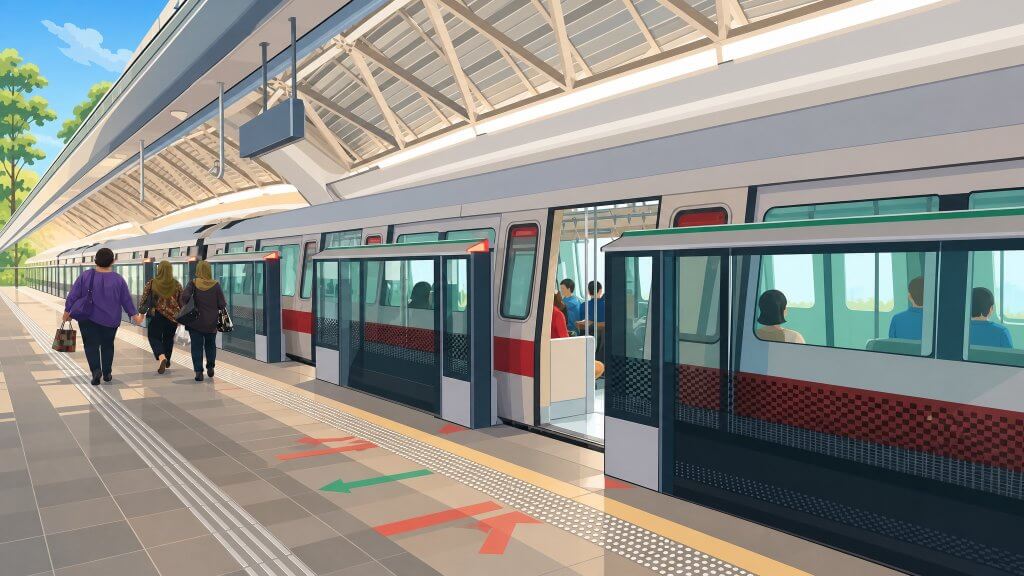
Strip away the marketing and tenant demand concentrates on four things:
Tenants do not pay for prestige, developer branding, or your renovation taste. They pay for convenience, and they recalculate every lease renewal.
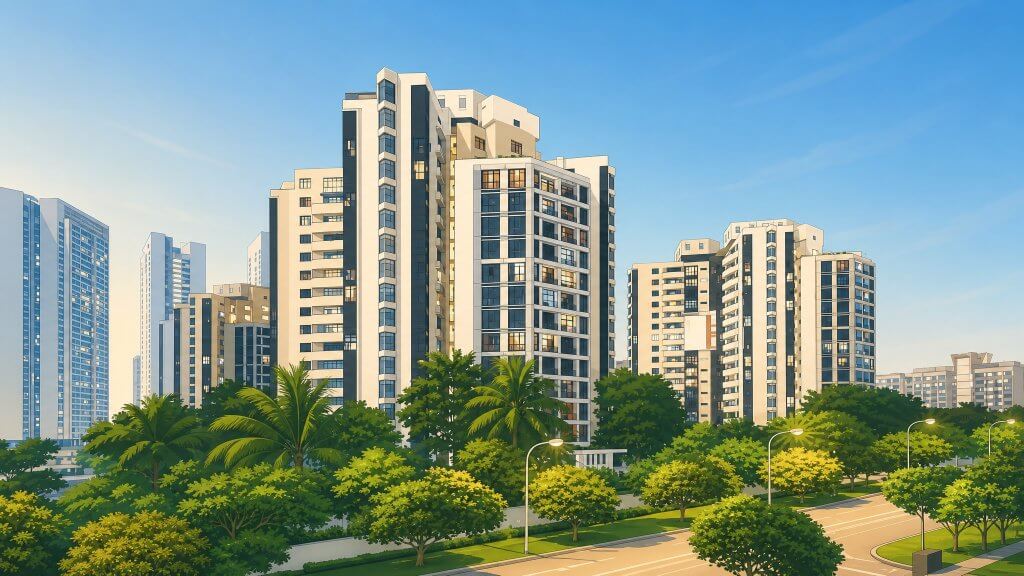
Lower entry prices and a deep tenant pool of local professionals and regional hires keep OCR yields at the top of the table. Large developments near regional hubs (Tampines, Jurong East, Woodlands) and integrated projects above MRT stations are the workhorses here. The trade-off: slower capital appreciation in some pockets, and more competing supply when a mega-project’s leases all renew in the same quarter.
City-fringe condos in Queenstown, Alexandra, Kallang and Outram rent to a stronger tenant profile at slightly lower yields. What you give up in yield you often recover in resale demand — the 10-year district transaction data consistently favours well-connected fringe districts for total returns.
Prime-district condos run the lowest yields with premium tenants and stable occupancy. Buyers here are playing a capital preservation and prestige game, not an income game. Nothing wrong with that — just don’t dress it up as a yield strategy.
Across every region, the same pattern:
A well-located 2-bedder is the closest thing Singapore rental investing has to a default correct answer.
The formula is blunt: yield = annual rent ÷ what you paid. Rent is set by the market and roughly identical across comparable units. The number you control is the denominator.
This is also why chasing new launches purely for rental returns often disappoints: you pay tomorrow’s price today, then collect today’s rent. Sometimes a well-priced subsale or resale unit in the same neighbourhood is the better landlord’s buy.
The classic errors, in order of expense:
A slightly lower yield with deep, boring, reliable demand beats a spectacular yield that works only in the spreadsheet.
With yields compressed, asset quality does the heavy lifting. The zones that combine tenant demand with sane entry prices:
And across all of them, the same filter: would a tenant with three comparable options pick your unit? If the answer depends on you dropping the rent, keep looking.
A good rental property is not the one with the highest number in the listing. It is the one that stays rented, carries itself, and still has a queue of buyers when you are done being a landlord.
Gross yields run roughly 3.0–4.0% in the OCR, 2.5–3.5% in the city fringe and 2.0–3.0% in the core central region. Net of costs, expect about 0.7–1.2 percentage points less.
Efficient 1–2 bedders within a genuine walk of an MRT station, near job hubs. Tenant demand concentrates hard on convenience — the 10-year district data shows where demand runs deepest.
Yes — rental income is taxed at your marginal rate after deductible expenses (or the simplified 15% deemed-expense option), plus non-owner-occupier property tax on the unit.
Resale often makes the better landlord’s buy: you pay today’s price and collect rent immediately, instead of paying tomorrow’s price at launch. The same logic applies to subsale units.
Planning your own move? Simply Contact Kelvin on WhatsApp — a question costs nothing.
Hi 
We offer private property consultations for readers. Interested?