

Most parents misunderstand Primary 1 registration in one specific way: they think 65 seats for 100 applicants means a 65% chance. It does not. You only compete against children of the same citizenship and distance band, so your real odds are usually either 100% or 0%.
The system looks straightforward from outside. In practice the interaction between phases, vacancy rollovers, citizenship and distance changes a child’s chances dramatically, especially at popular schools. Official rules sit with MOE. What follows is how they play out.
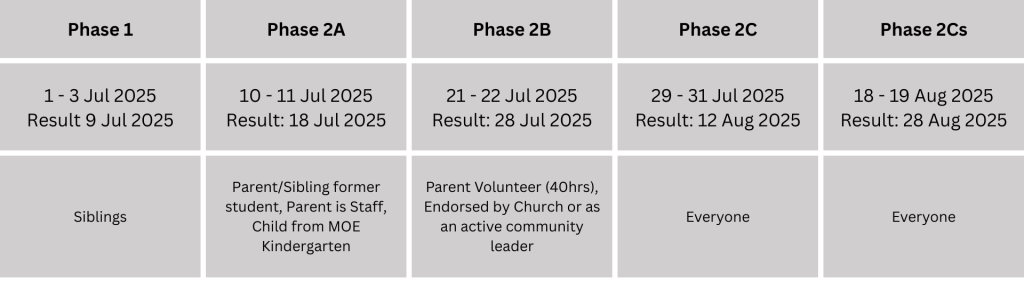
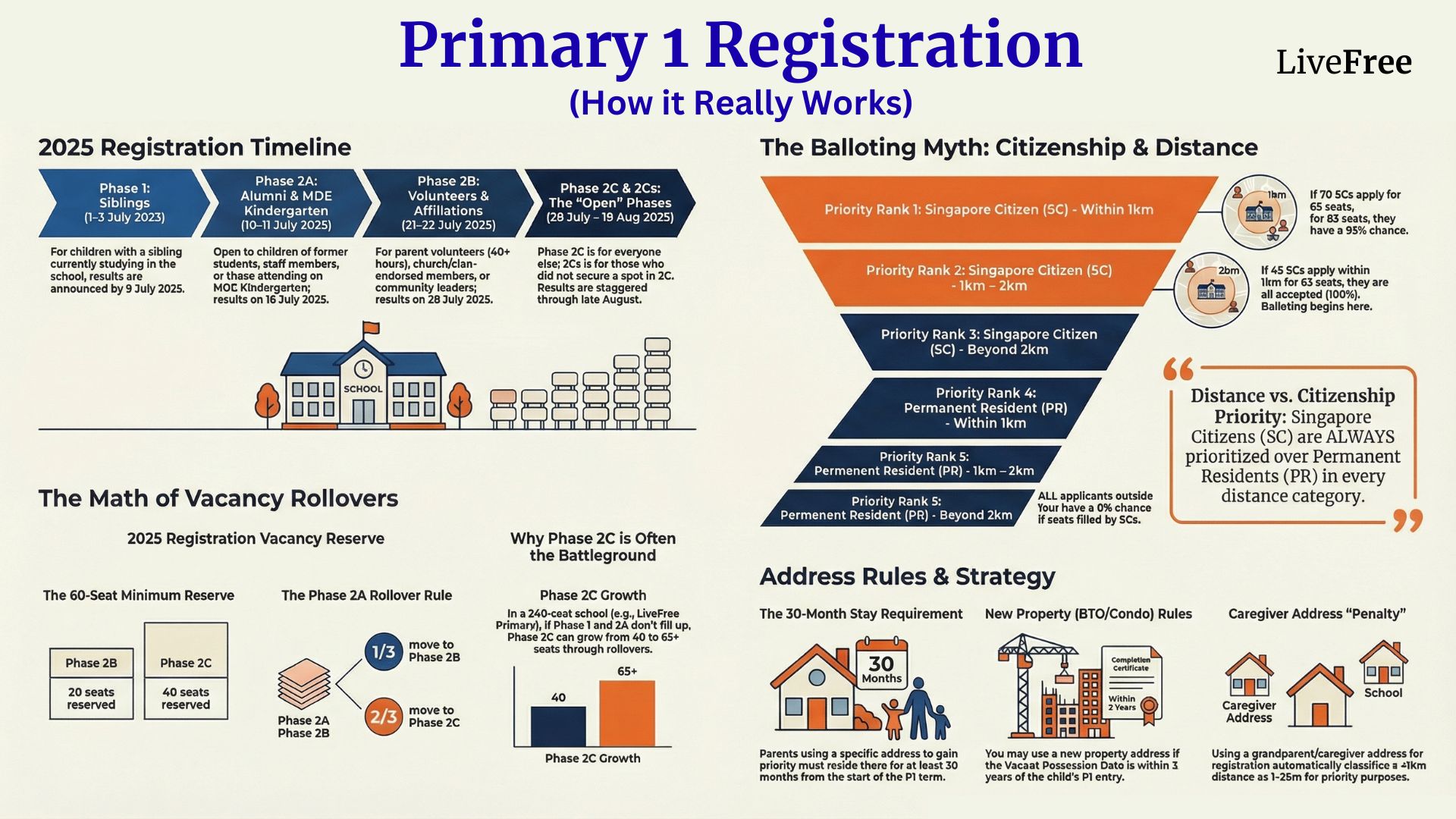
Primary 1 registration runs across five phases, processed strictly in sequence. Once vacancies fill in a phase, no seats move backward to an earlier one.
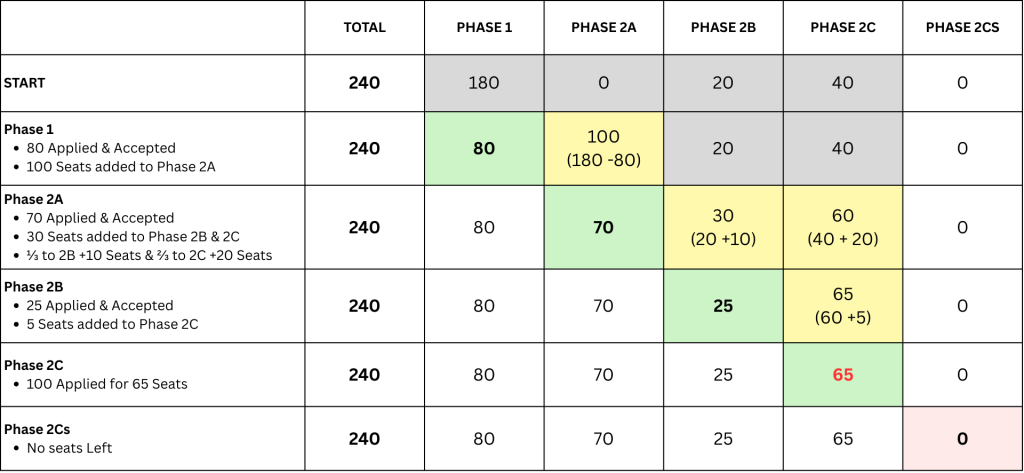
This is the part of Primary 1 registration that decides everything. Take a school with 240 vacancies. 20 seats are reserved as a minimum for Phase 2B and 40 for Phase 2C, leaving 180 to start in Phase 1.
If 180 apply, nothing rolls over. Say 80 apply and are accepted, and 100 seats roll into Phase 2A.
That is 0 reserved plus 100 from Phase 1. If more than 100 apply, balloting begins. Say 70 are accepted, leaving 30 to roll over, split one third to Phase 2B (10 seats) and two thirds to Phase 2C (20 seats).
That is 20 reserved plus 10 from Phase 2A. If more than 30 apply, balloting. Say 25 are accepted, and 5 roll into Phase 2C.
That is 40 reserved plus 20 from Phase 2A plus 5 from Phase 2B. If exactly 65 apply, all are accepted. Fewer, and the remainder moves to Phase 2C(S). More, and balloting begins. This is the point where most parents misjudge their odds.
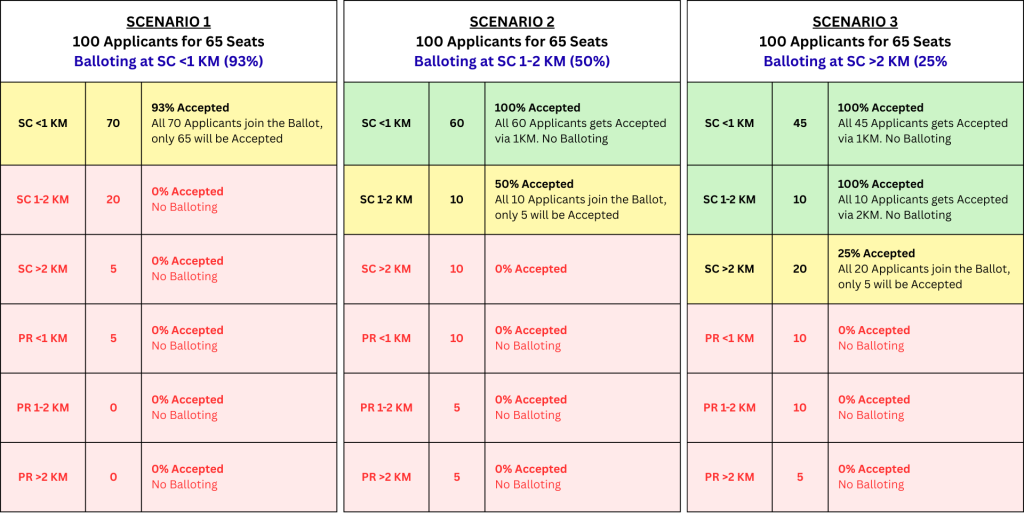
In Primary 1 registration you do not compete with everyone. You compete only with children of the same citizenship and distance band, and citizenship is prioritised before distance. The order runs:
70 Singapore Citizens apply within 1km for 65 seats. Odds are 65 of 70, about 93%. Everyone in the bands behind them has a 0% chance.
60 SC within 1km are all accepted at 100%. The next 10 SC in the 1 to 2km band ballot for 5 seats, so 50%. The remaining 30 applicants have 0%.
45 SC within 1km and 10 SC within 1 to 2km are all accepted. 20 SC beyond 2km then ballot for 5 seats, giving 25%. The remaining 25 have 0%.
Distance does not improve your odds. It determines whether you have any odds at all.
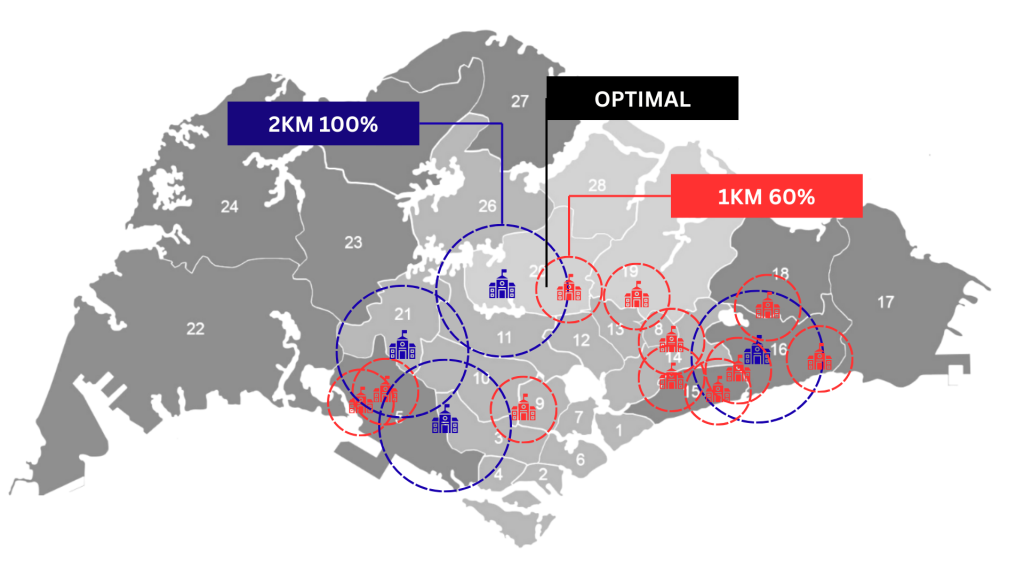
Primary 1 registration measures home-school distance from the school boundary to the building outline in the development’s submitted building plan, taking the shortest distance. In plain terms, every unit in the same block counts as the same distance.
You undertake to reside there from the start of the P1 school term. Submit the resale flat status for HDB, or the exercised OTP and Buyer’s Stamp Duty certificate for private. A 30-month stay requirement applies from the start of the P1 term.
You undertake to move in within 2 years of P1 entry. The vacant possession or delivery possession date in the Sale and Purchase documents must fall within 2 years of entry, so a child born in 2020 needs a VPD or DPD by 31 December 2027. Submit the Agreement for Lease for HDB or the Sale and Purchase Agreement for private. The 30-month stay requirement runs from the date you move in.
Both conditions must be met: you and your spouse both work full time at the time of declaration, and your child is under the care of a grandparent or sibling. Declare the alternative childcare arrangement online, and only the declaring parent can use that address. Submit both parents’ NRICs, the caregiver’s NRIC, and documents proving the relationship. Note that a parent address within 1km is also classified under the 1 to 2km band. The 30-month stay requirement runs from the start of the registration exercise.
Address misuse can lead to disqualification even after a place has been accepted.
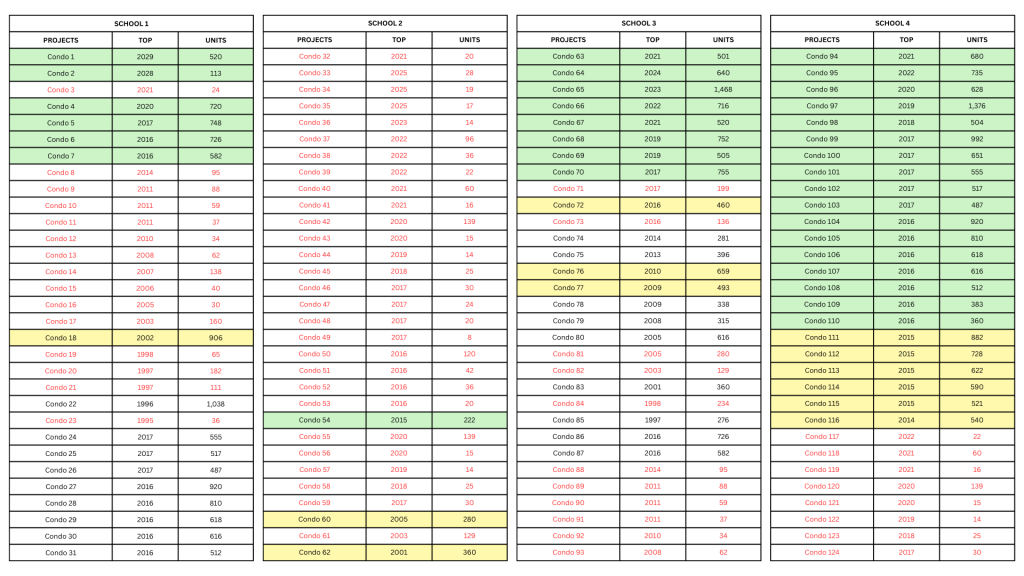
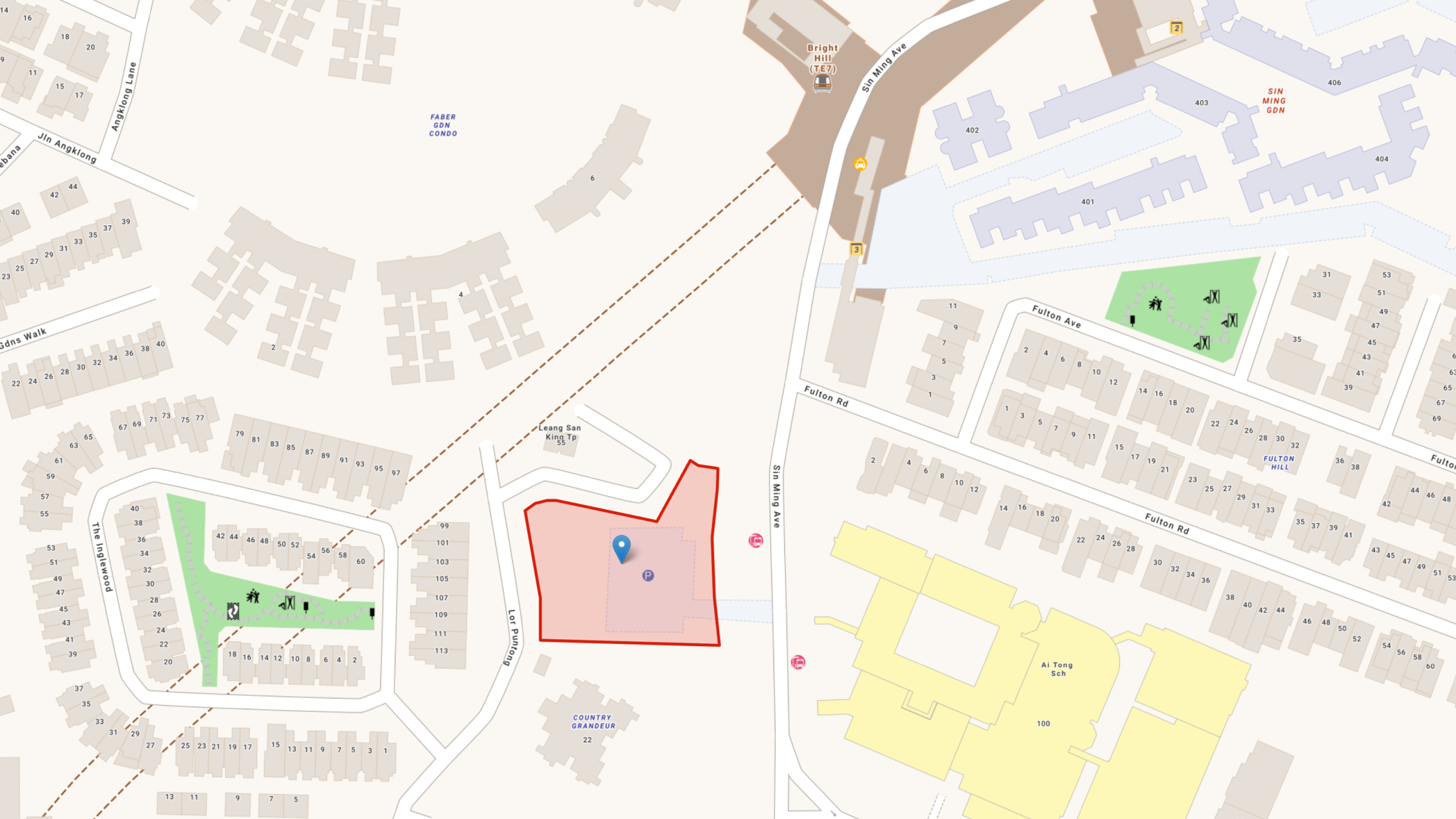
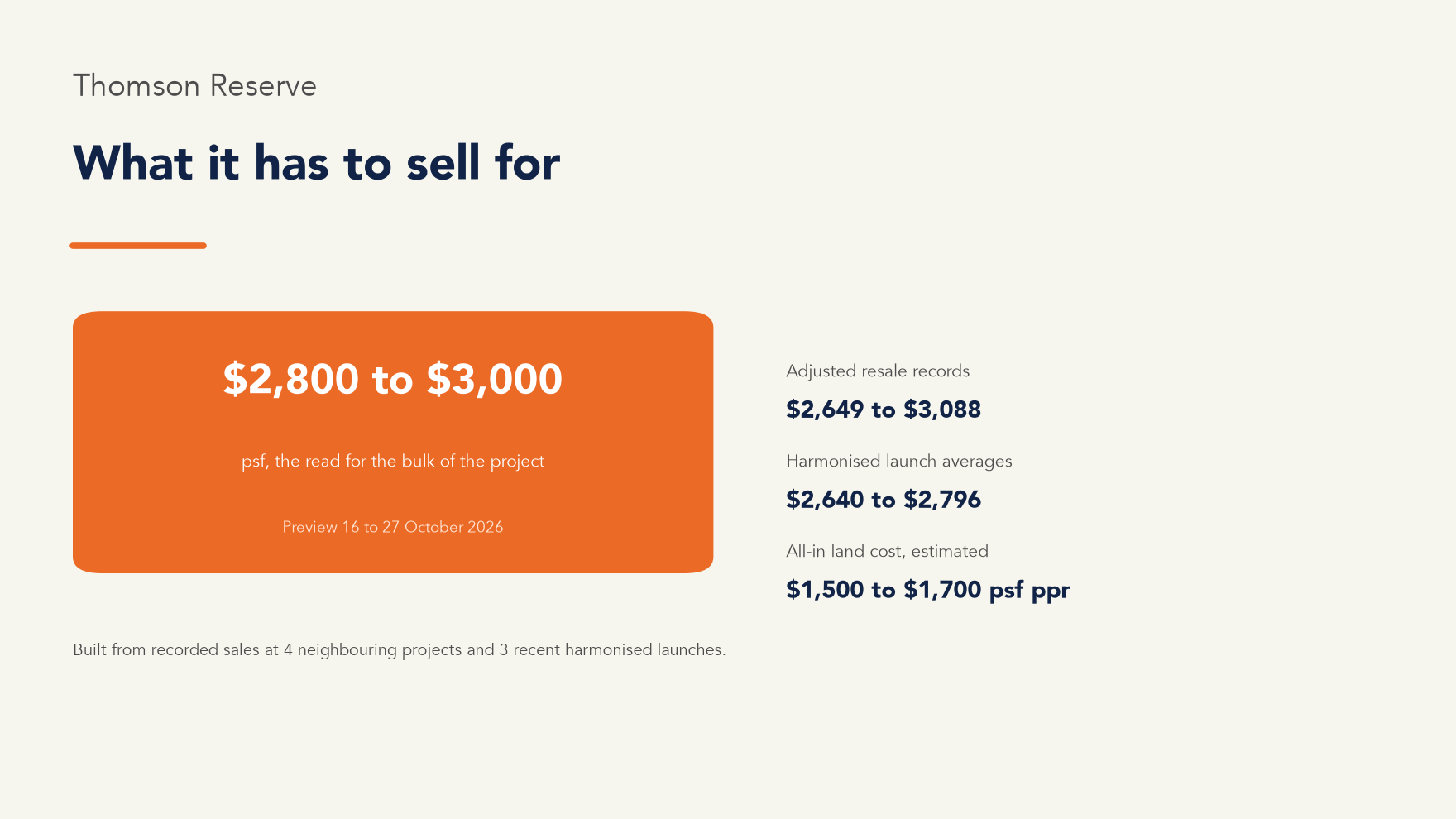
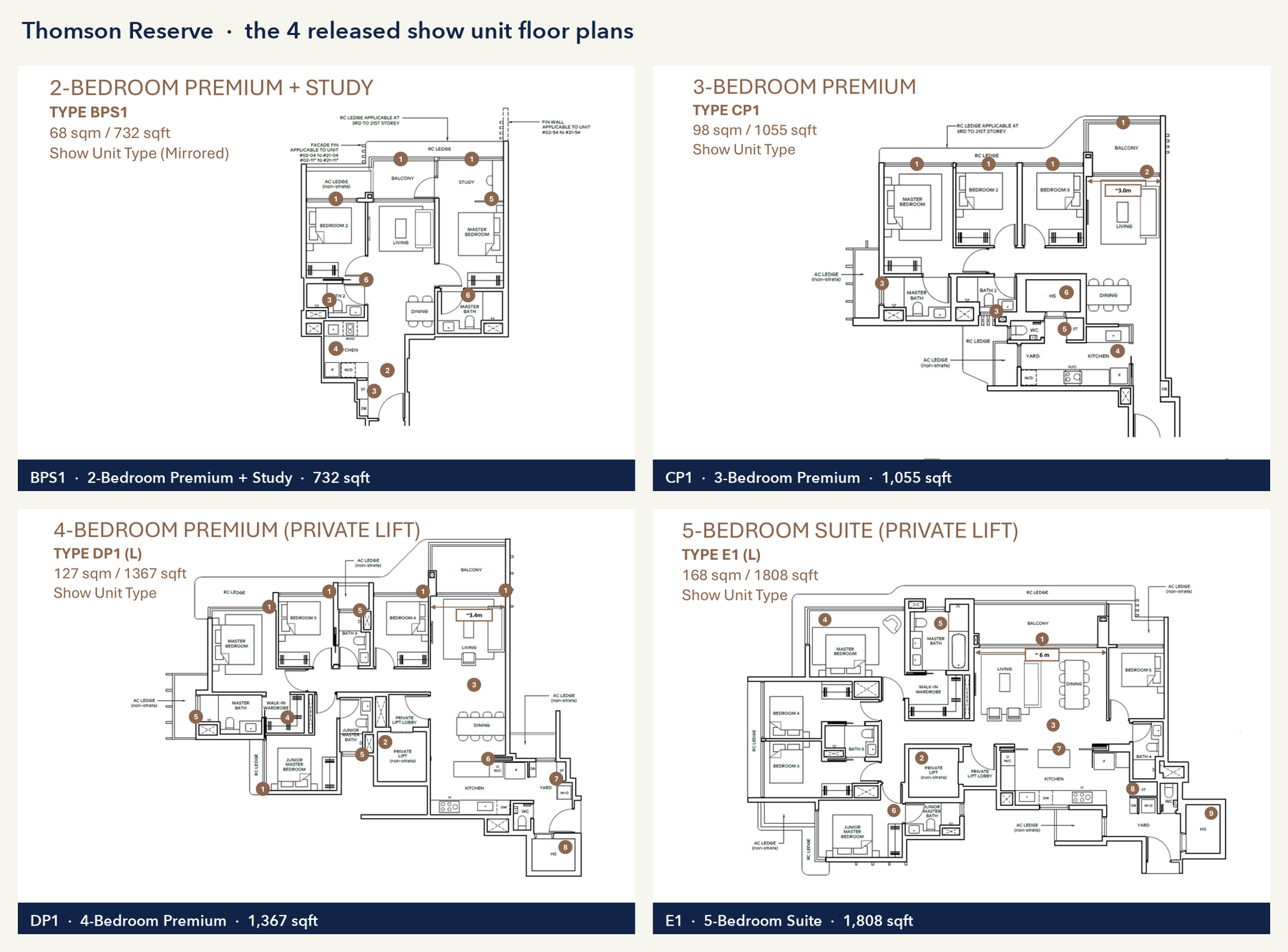
Several 2026 launches were shortlisted partly on Primary 1 registration grounds, including Thomson Reserve near Ai Tong, Pinery Residences near St Hilda’s, and Lucerne Grand near Rulang and Shuqun. Our 2026 shortlist sets out the rest.
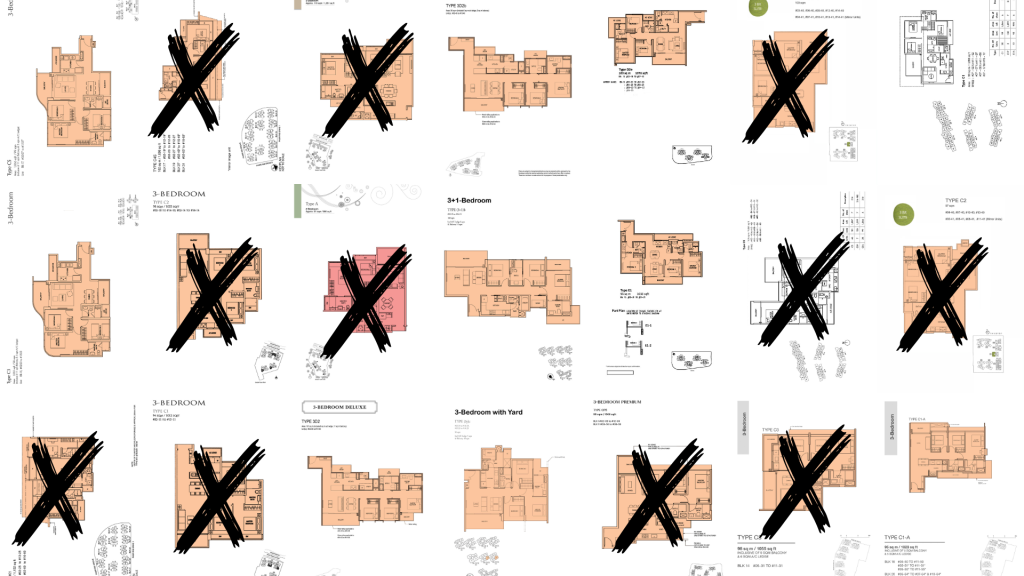
Primary 1 registration should shape the home search, not the other way round. A home determines your child’s education options and your family’s long-term flexibility, so the sequence matters. We shortlist suitable schools first, study historical proximity cut-offs to define realistic boundaries, then identify homes balancing school access, price, size, future value and lifestyle.
If your child is between three and five, or you are planning to rely on proximity, this needs planning earlier than most parents realise. School-driven demand is a large part of why some districts stay tight, as our District 15 family condo guide shows. Unit size deserves the same thought, which we covered in condo unit types, and the upgrade sequence in our HDB upgrading roadmap.
No. Primary 1 registration puts you in the first balloting band for Singapore Citizens, which is very different. If 70 citizens inside 1km chase 65 seats, the odds are about 93% and everyone further out is at 0%.
Primary 1 registration measures from the school boundary to the building outline in the submitted building plan, taking the shortest distance. Every unit in the same block is treated as the same distance, so a higher floor confers no advantage.
Only under the caregiver rules, and both parents must be working full time with the child cared for by a grandparent or sibling. Note that a parent address within 1km is classified in the 1 to 2km band, which materially weakens it.
30 months. In Primary 1 registration the start point differs by address type: from the start of the P1 term for a completed property, from the date you move in for a new property, and from the start of the registration exercise for a caregiver address.
You can use it if the vacant possession date falls within 2 years of P1 entry. A child born in 2020 needs VPD by 31 December 2027, which rules out several 2030 completions. Check the full 2026 registration guide and the district picture before committing.
Planning a home purchase around Primary 1 registration? Contact Kelvin on WhatsApp — a question costs nothing.
A 2030 TOP does not help a 2020-born child. New property addresses need vacant possession within 2 years of entry.
Hi 
We offer private property consultations for readers. Interested?