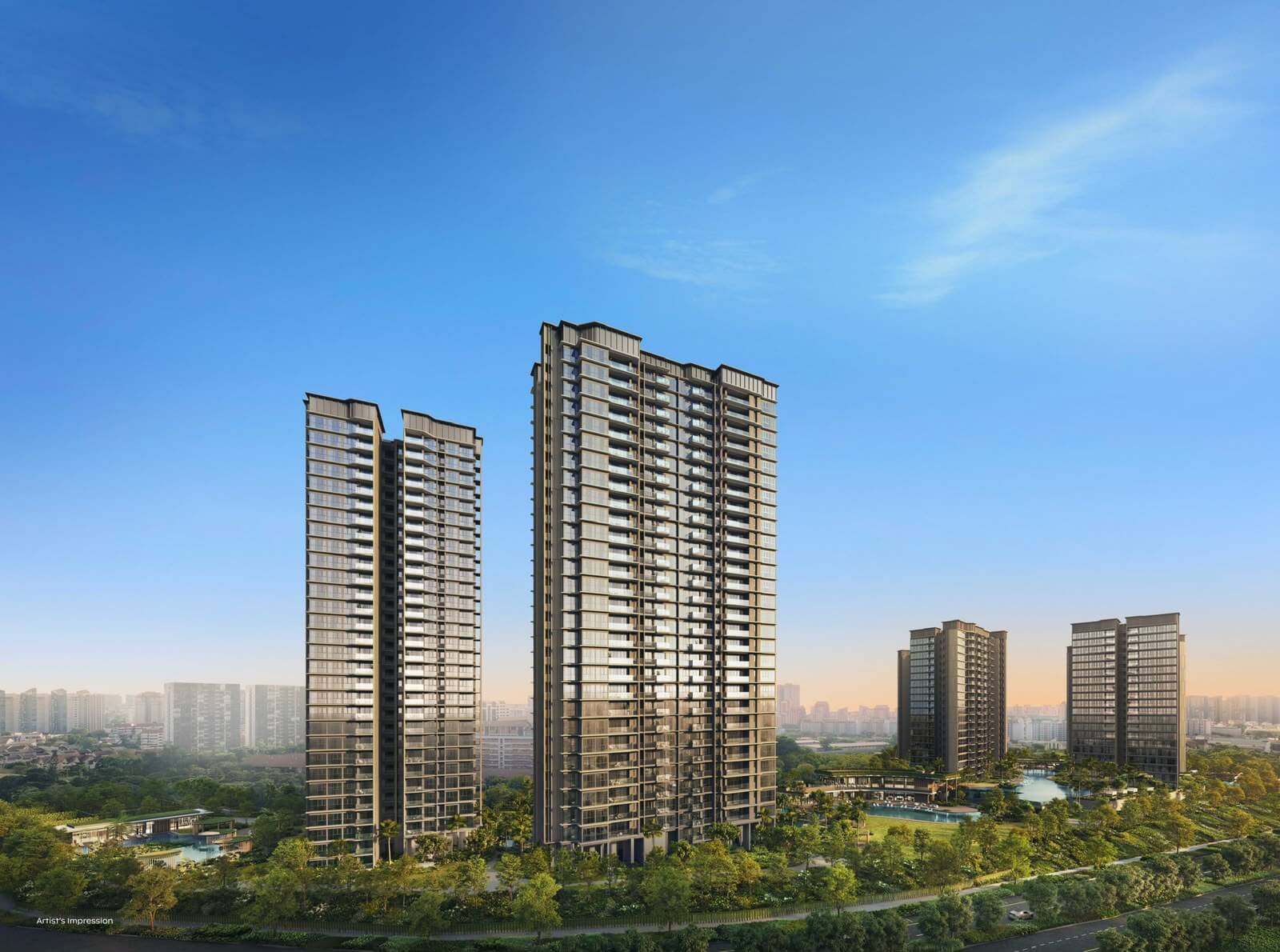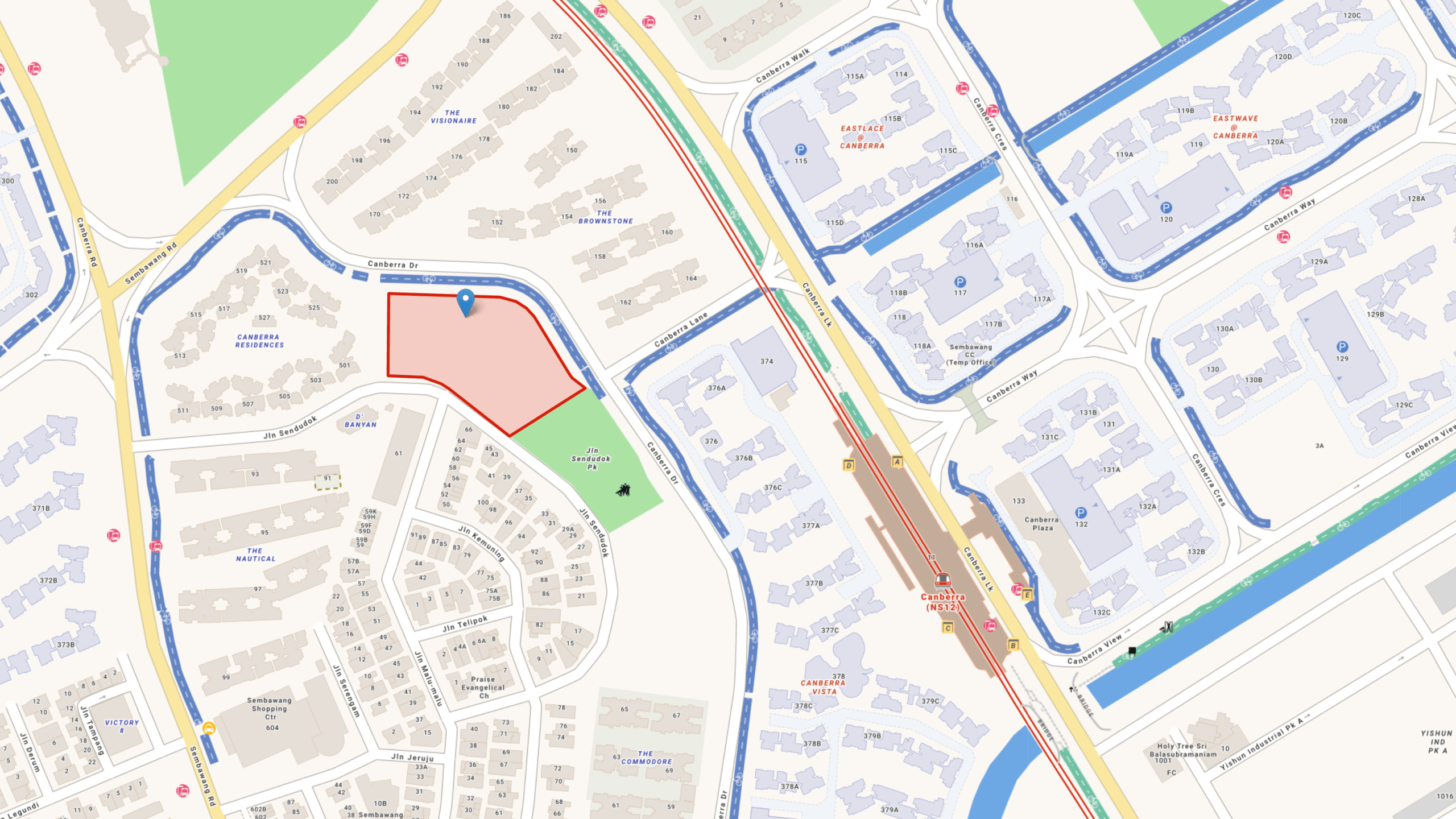


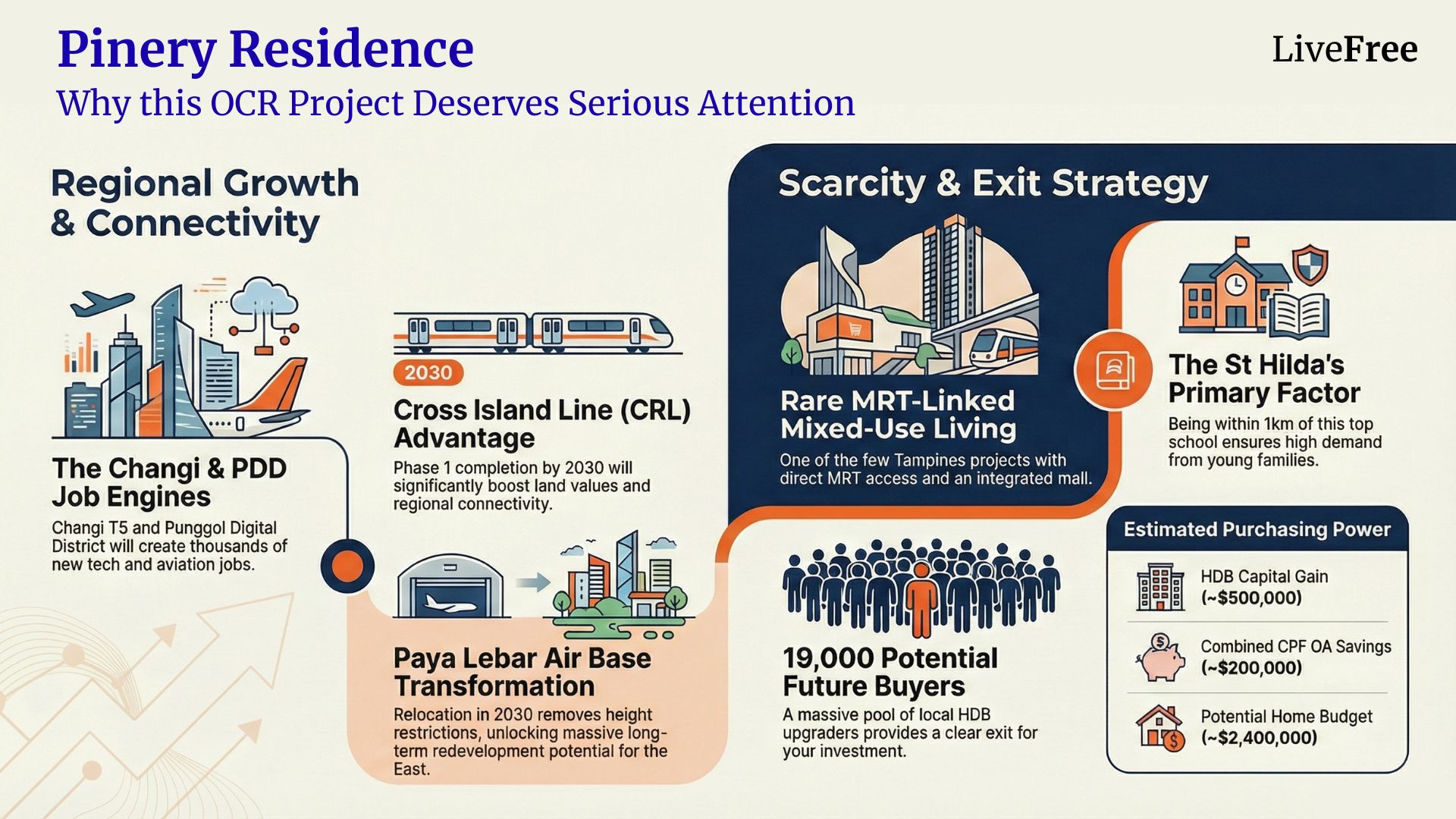
Pinery Residences is one of only two Tampines condos with direct MRT access, and it sits inside the 1km ring for St Hilda’s Primary. In a town with roughly 19,000 upgrader households and almost no MRT-linked stock, that combination is what makes the case, not launch-day excitement.
It is also one of Livefree’s top five projects in the 2026 pipeline. The argument here is structural demand, government spending and exit clarity over the next 10 to 20 years. Our 2026 new launch shortlist sets out the wider field.
One common belief is that meaningful capital appreciation only comes from the Core Central Region. Pinery is a useful counterexample: a well-located OCR project can be just as compelling when the fundamentals line up. Our ten-year study of district performance shows how often OCR has outperformed on that basis.
Tampines sits at the centre of several national infrastructure plans running on short, medium and long horizons. None of these are speculative. All are already underway.
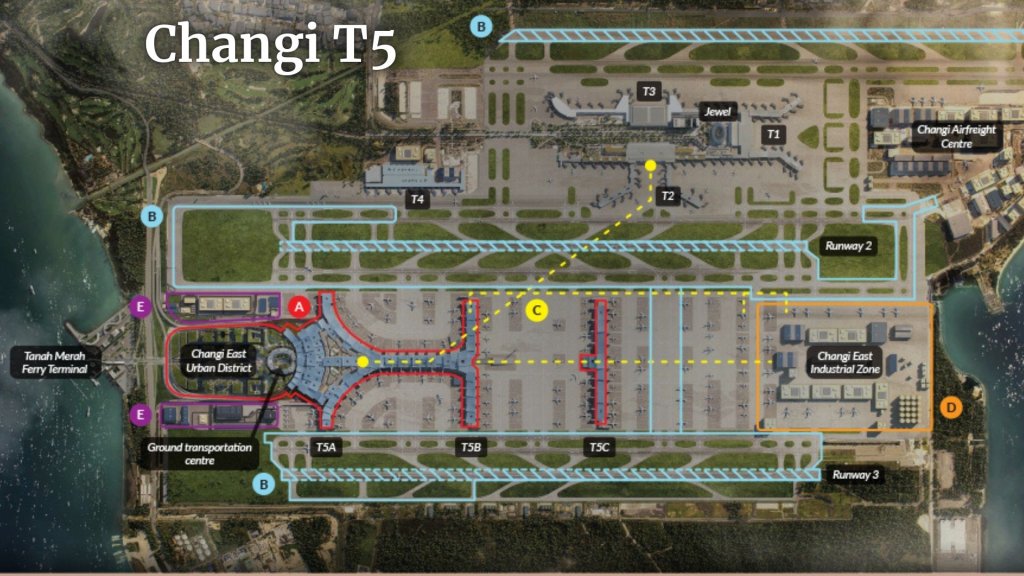
Changi T5 has begun development across 1,080 hectares, roughly the size of Terminals 1 to 4 combined. That scale reflects an expectation of doubling air traffic, which in turn requires more employment, services and supporting industry.
More jobs around Changi mean sustained housing demand in the East, particularly in mature, well-connected estates like Tampines.
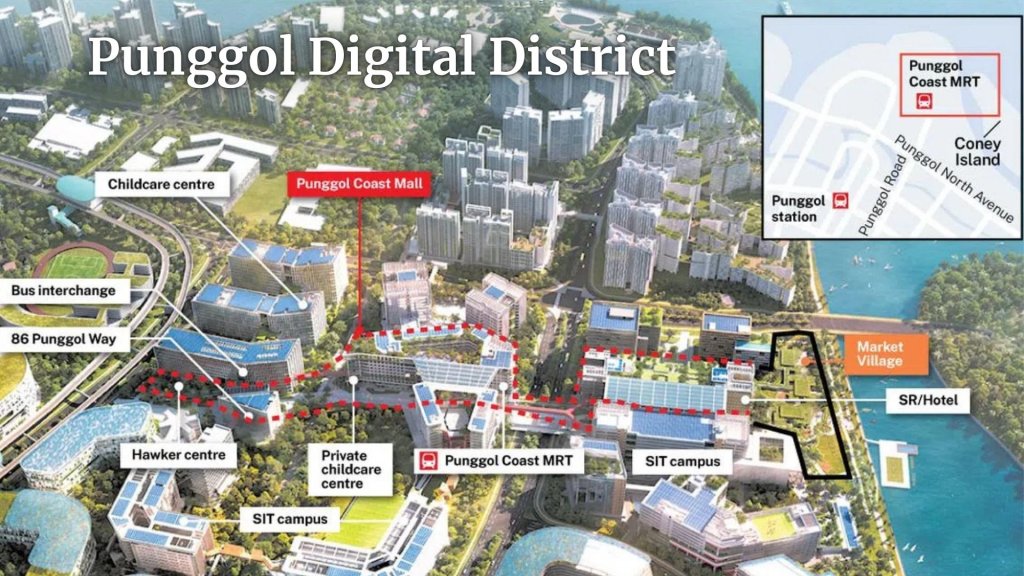
Often dismissed as old news, Punggol Digital District remains one of Singapore’s most important future employment hubs:
Tampines sits inside the wider eastern employment ecosystem that benefits from this.
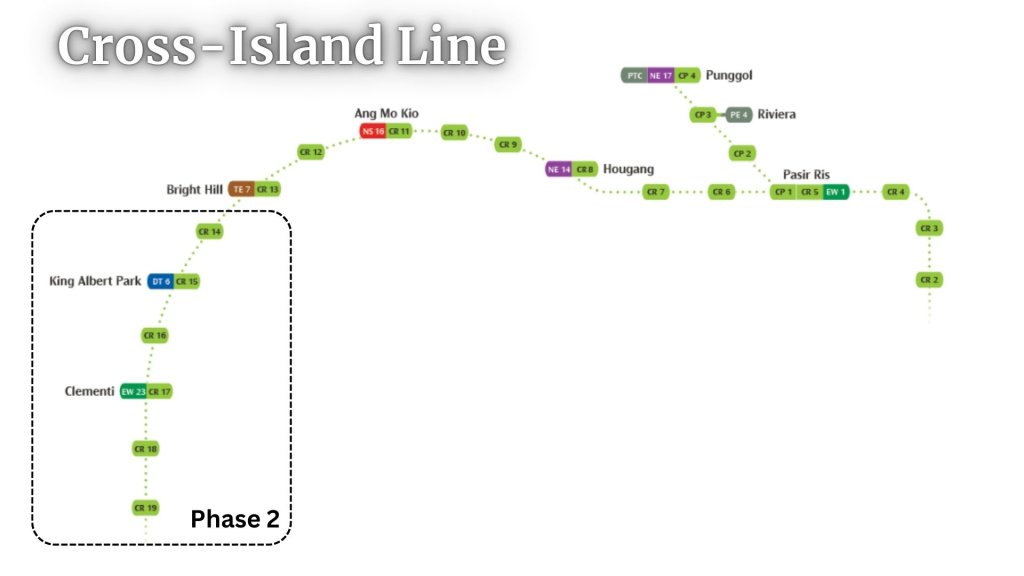
The Cross Island Line will be Singapore’s longest fully underground MRT line, running over 50km and connecting the East, West and North-East corridors.
Much of it is invisible today, but the investment is substantial, and rail infrastructure has historically been followed by higher land bids, rising home values and new launches. Phase 1 completes around 2030 and Phase 2 around 2032, with Tampines a key beneficiary. We tracked what the line has already done to prices in our Cross Island Line analysis.
Buying early in areas that will benefit from the CRL has tended to offer more upside than downside, especially as supply tightens.
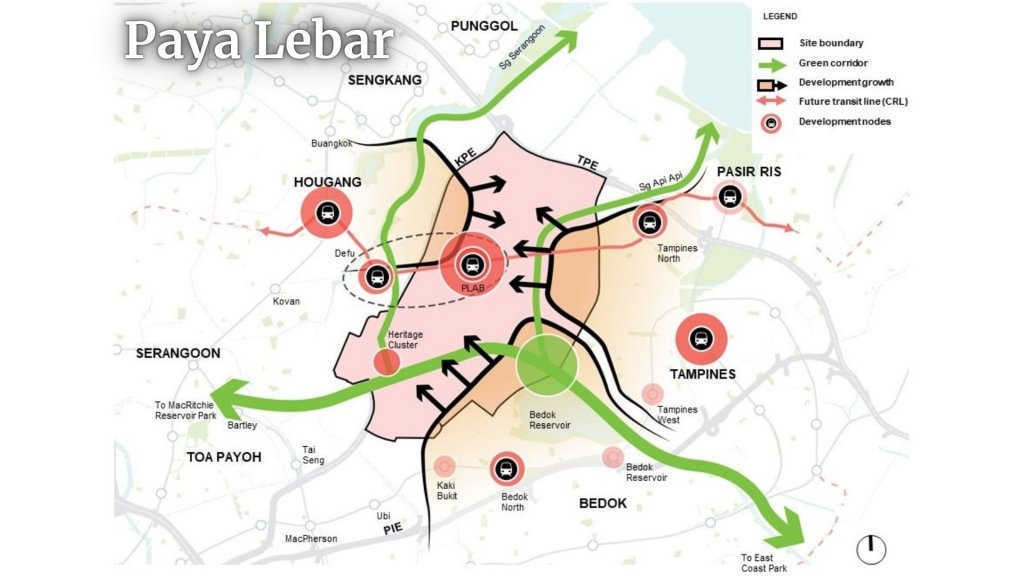
The relocation of Paya Lebar Air Base, targeted around 2030, is the largest urban transformation in Singapore’s history. Flight-path height restrictions currently cap building heights across much of the East. Once lifted, land values rise, redevelopment potential improves, and the East becomes structurally more valuable.
With one-third of Singaporeans living within a 10-minute drive of Paya Lebar, the ripple effects are broad, and Tampines is inside that radius.
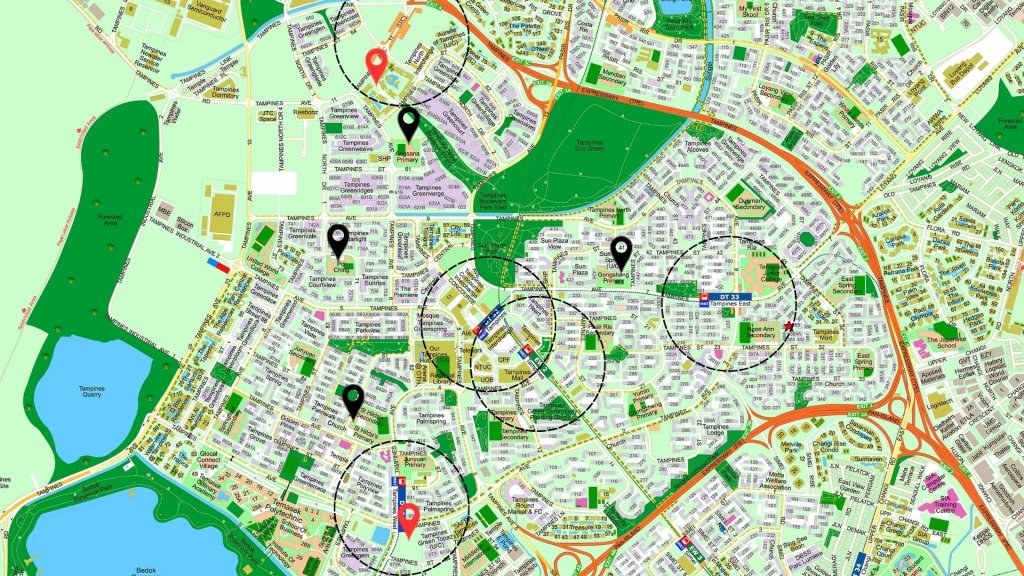
Most Tampines condos are not directly connected to an MRT station. Today only two are:
That scarcity is the foundation of the long-term case, particularly as buyers keep prioritising convenience. Older Tampines stock such as Treasure at Tampines and The Tapestry sits further from the station.
BTO launches in Tampines North began roughly five years before COVID, and many reach MOP around 2028. Tampines has the second-largest HDB upgrader pool in Singapore, around 19,000 households with the financial capacity to move into private property. That pool is the core exit audience for OCR family-sized condos, and our HDB upgrading roadmap sets out how that move usually sequences.
Tampines has four popular primary schools: Angsana Primary, Gongshang Primary, St Hilda’s Primary and Poi Ching School.
Pinery Residences falls within 1km of St Hilda’s Primary, and fewer than 10 condos do. That is a durable demand driver for family buyers. If you are planning around registration, read how Primary 1 registration really works and the complete 2026 registration guide.
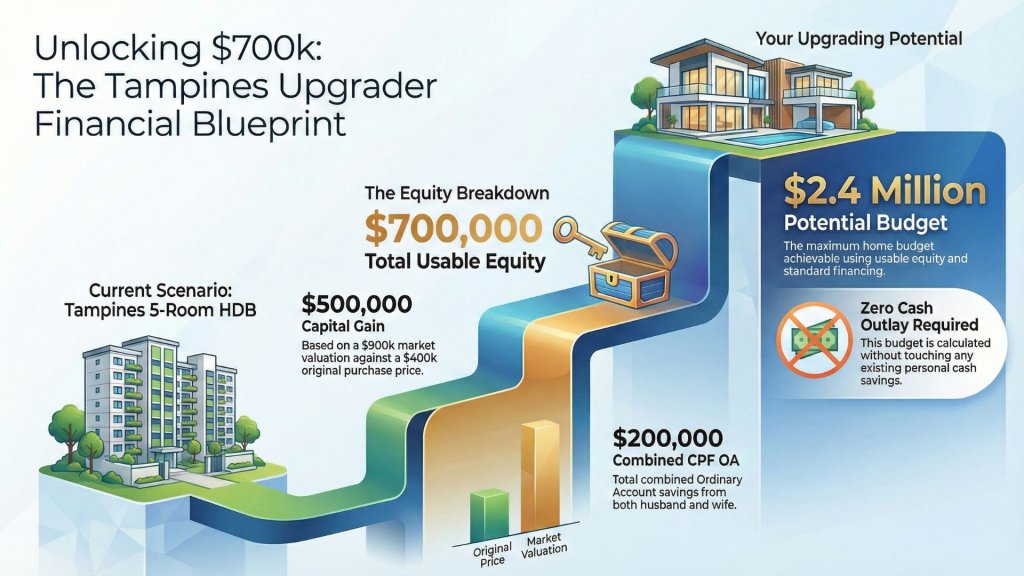
Consider the actual purchasing power of a Tampines upgrader household. A typical profile:
That produces roughly $700,000 in usable equity and a potential budget near $2.4 million without touching cash savings.
CPF balances vary, but this reflects a common dual-income Tampines profile. It is the buyer group that supports 3-bedroom pricing in the town, and it underpins the exit strategy here. If you are still weighing whether to move, our piece on the real cost of holding your HDB puts numbers to waiting.
Pinery sits in a category that fewer than 10% of Singapore condos qualify for:
It is also a mixed-use development, with an enclosed retail mall of around 50 shops, a confirmed NTUC supermarket, and childcare and education centres. In Tampines, the only comparable project is Parktown Residence.
Pinery runs from 2-bedroom, 2-bathroom layouts up to 5-bedroom units. That larger-format mix is designed for owner-occupiers rather than investors, which is counterintuitively good news for investors:
For how unit-type demand has actually shifted, see what ten years of data reveal about condo unit types, and for where Pinery sits on price, our $2,340 psf benchmark analysis.
In Tampines, with direct MRT access, making it one of only two MRT-linked condos in the town alongside Parktown Residence. Full details sit on the project page.
588 units, running from 2-bedroom layouts up to 5-bedroom. It is a mixed-use development with an enclosed mall of roughly 50 shops and a confirmed NTUC supermarket.
St Hilda’s Primary, within 1km. Fewer than 10 condos in Tampines share that. Angsana Primary, Gongshang Primary and Poi Ching School are also in the town.
Around 2030. That matters for school registration planning: a child born before 2023 would be registering before the address is usable.
It depends on the fundamentals rather than the region label. Here the case rests on MRT scarcity, a 19,000-household upgrader catchment, the 1km school ring, and infrastructure landing between 2028 and 2032. Our district performance study and the 2025 full-year market review give the wider context.
Weighing up Pinery Residences? Contact Kelvin on WhatsApp — a question costs nothing.
Hi 
We offer private property consultations for readers. Interested?